

Summer Home Maintenance to Save You Time and Money
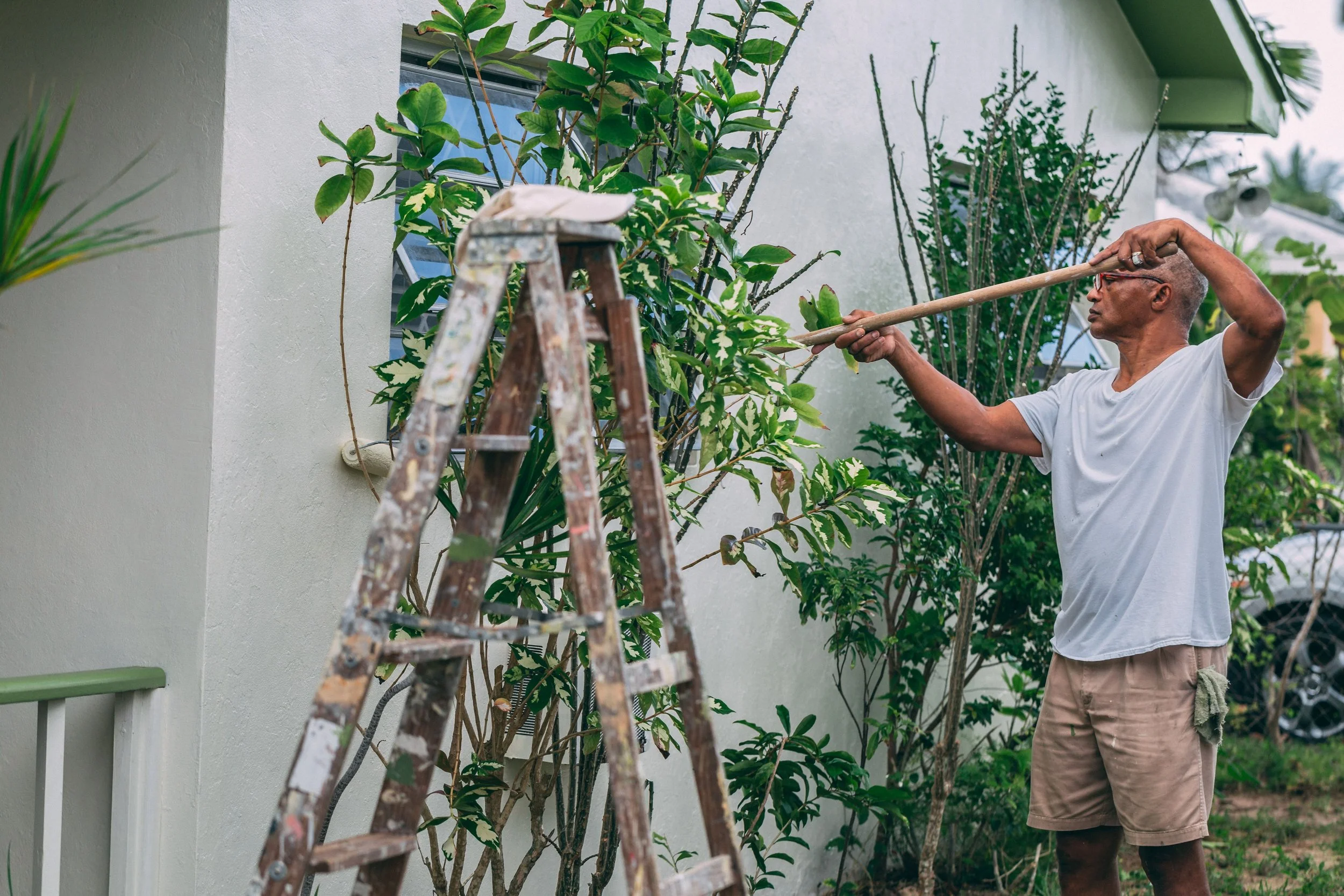
There is a specific shift that happens when the weather warms up. Most people instinctively transition to thinking about landscaping, vacations, or outdoor entertaining. The actual structure of the house usually drops down the priority list. Taking a weekend afternoon to look closely at a few specific areas of your property suggests a real opportunity to intercept massive, budget-breaking repairs down the line.
The reality of home maintenance is that systems wear down invisibly. Here is a realistic look at the specific warm-weather checks that potentially keep thousands of dollars in your bank account.
The Roof and Gutter System
Winter storm cycles leave behind debris that you might not notice from the driveway. Gutters packed with rotting leaves and twigs cannot route rainfall away from your foundation.
The Underlying Issue: When water spills over the edge of a clogged gutter, it pools directly against the concrete base of your home. Over time, that moisture can crack the foundation or seep into crawls spaces, which frequently creates an environment for mold growth.
The Counterpoint: You do not necessarily need to hire an expensive professional service every single time your gutters need attention. A steady ladder and a pair of heavy gloves are often entirely sufficient, assuming you feel comfortable with heights.
What to Check on the Shingles: While you are near the roofline, look closely for cracked, missing, or buckling shingles. Catching a localized patch of roof wear early means you can replace a few pieces of material rather than facing a complete roof replacement.
Air Conditioning and Ventilation Efficiency
Running an older cooling unit without a baseline checkup appears to be one of the easiest ways to spike your monthly utility bills. The system works significantly harder when components are dirty.
The Filter Swap: Changing the indoor air filter is basic, but skipping it forces the system to pull air through a wall of dust. This strains the motor and degrades indoor air quality.
The Exterior Condenser Unit: Clear away any overgrown weeds, bushes, or tall grass that grew within a two-foot radius of the outside unit. The system needs adequate airflow to vent heat away from your house effectively.
Professional Calibration: A formal HVAC tune-up might seem like an unnecessary seasonal expense, but evidence suggests that regular calibration keeps the machinery operating efficiently for several additional years.
Foundation Grading and Exterior Drainage
The soil surrounding your house changes shape as it settles or erodes from spring rains. If the ground slopes inward toward your exterior walls, you are essentially inviting water to settle beneath your home.
A Quick Drainage Check: Walk the perimeter of your house during a heavy rainstorm. If you notice large pools of standing water within a few feet of the siding, the grading likely needs to be built up with fresh dirt to force water to slope downward and away from the building.
Siding, Window Seals, and Exterior Trim
High humidity and intense summer sun can compromise the protective shell of your home. Small gaps in caulking or paint look minor, but they open the door for wood rot and insect infestations.
Inspect the Caulking: Take a tube of exterior-grade sealant around the windows and doors. Sealing small gaps blocks drafts, which potentially reduces your summer cooling costs.
Look for Soft Wood: Press on the wooden trim around the garage door and roof eaves. If the wood feels soft or spongy, moisture has already breached the paint layer. Addressing it now keeps the rot from migrating into the main framing of the house.
Homeownership does not require you to be a master technician, but it does require a bit of regular observation. Spending a few hundred dollars or a couple of hours on preventative tasks this weekend allows you to maintain control over your property, ensuring that small maintenance items do not evolve into major financial burdens later in the season.