

The Chime Trap: Why "Fee-Free" Doesn't Mean Debt-Free
We’ve all seen the ads. They promise "no hidden fees," "spotting you" $200, and getting your paycheck two days early. In a world of predatory bank fees, Chime looks like a hero.
But as the old saying goes: If it sounds too good to be true, it probably is.
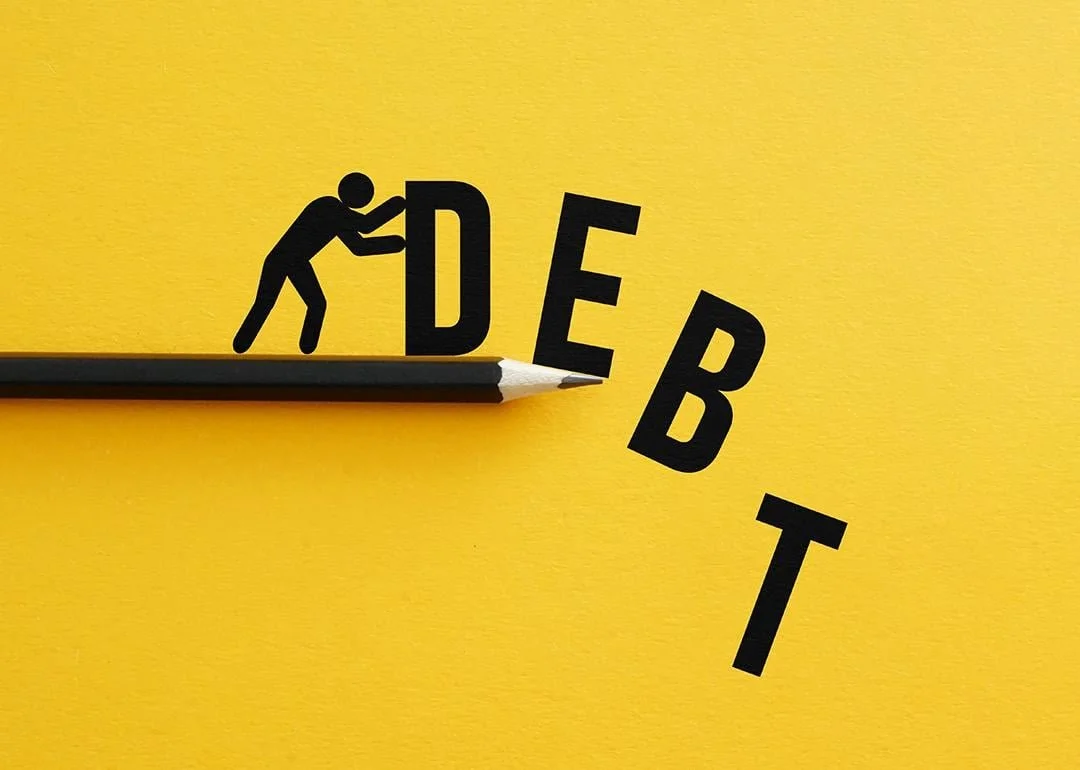
While Chime might not charge a $35 overdraft fee, they are masters of a much more subtle danger: The Debt Cycle. By allowing you to spend money you haven't earned yet, they aren't just helping you through a "tight spot"—they might be training you to live permanently behind your own paycheck.
1. The $500 Paycheck "Advance" (MyPay)
Chime’s newer feature, MyPay, allows eligible users to access up to $500 of their pay before payday. There’s no interest, but there is a catch.
When you take that $500, it feels like a win today. But the moment your actual paycheck hits, Chime immediately takes that $500 back.
The Reality: You aren't "getting paid early." You are simply starting your next two-week period with $500 less than you need to survive.
The Result: Because you are now $500 short for your current bills, you are forced to request another $500 advance immediately. You are no longer managing money; you are managing a permanent deficit.
2. The Psychology of the "SpotMe" Slope
Chime’s SpotMe feature lets you overdraft up to $200 on debit card purchases without a fee.
The problem? It makes overspending feel "safe." When a traditional bank charges you $35 for an overdraft, it hurts. That pain is a signal to stop. Chime removes that pain, which sounds nice, but it removes the guardrail. It becomes a "dangerous slope" where being in the negative becomes your "new normal."
How the "Cycle" Works
Step 1: You are $300 short for rent. You use MyPay to cover it.
Step 2: Payday arrives. Chime deducts $300 + any "instant" fees.
Step 3: Your "actual" take-home pay is now too low to cover groceries and gas for the next two weeks.
Step 4: You use MyPay again. The cycle repeats, and you are effectively working for a "past" version of yourself.
The "What If" Scenario: Losing Your Job
This is where the slope turns into a cliff. Chime’s features are entirely dependent on Direct Deposits.
If you lose your job: Your direct deposit stops.
The Debt Stays: If you were $500 in the hole when you lost your job, that balance doesn't disappear.
No Safety Net: Traditional banks might have a human you can speak to or a "hardship" program. Apps like Chime are built on algorithms. If the deposit doesn't hit, the features vanish, leaving you in the negative exactly when you need help the most.
The Financial Truth: You cannot borrow your way out of a budget problem. Apps like Chime offer "liquidity," but they don't offer "stability." True financial freedom comes from building a margin so that you never have to "ask" an app for your own hard-earned money.
The Bottom Line
Chime isn't a "bank" in the traditional sense; it’s a financial technology company. Their goal is to keep you using their card and their ecosystem. While "No Fees" sounds like a win for the consumer, the cost is often a perpetual cycle of debt that is incredibly difficult to break.
Before you tap "Request Advance," ask yourself: Am I solving a problem, or am I just pushing it to next Friday?